
Choosing an ATV is a decision that will follow you for years, and the trick is to approach it like a matching problem, not a shopping spree. The goal is not to find the most impressive machine in the showroom; it is to find the machine that fits your property, your terrain, your body and your budget. The SWM Trailhunter family is built as a range of answers to that matching problem, and this guide walks you through a decision framework that works no matter which model you end up with.
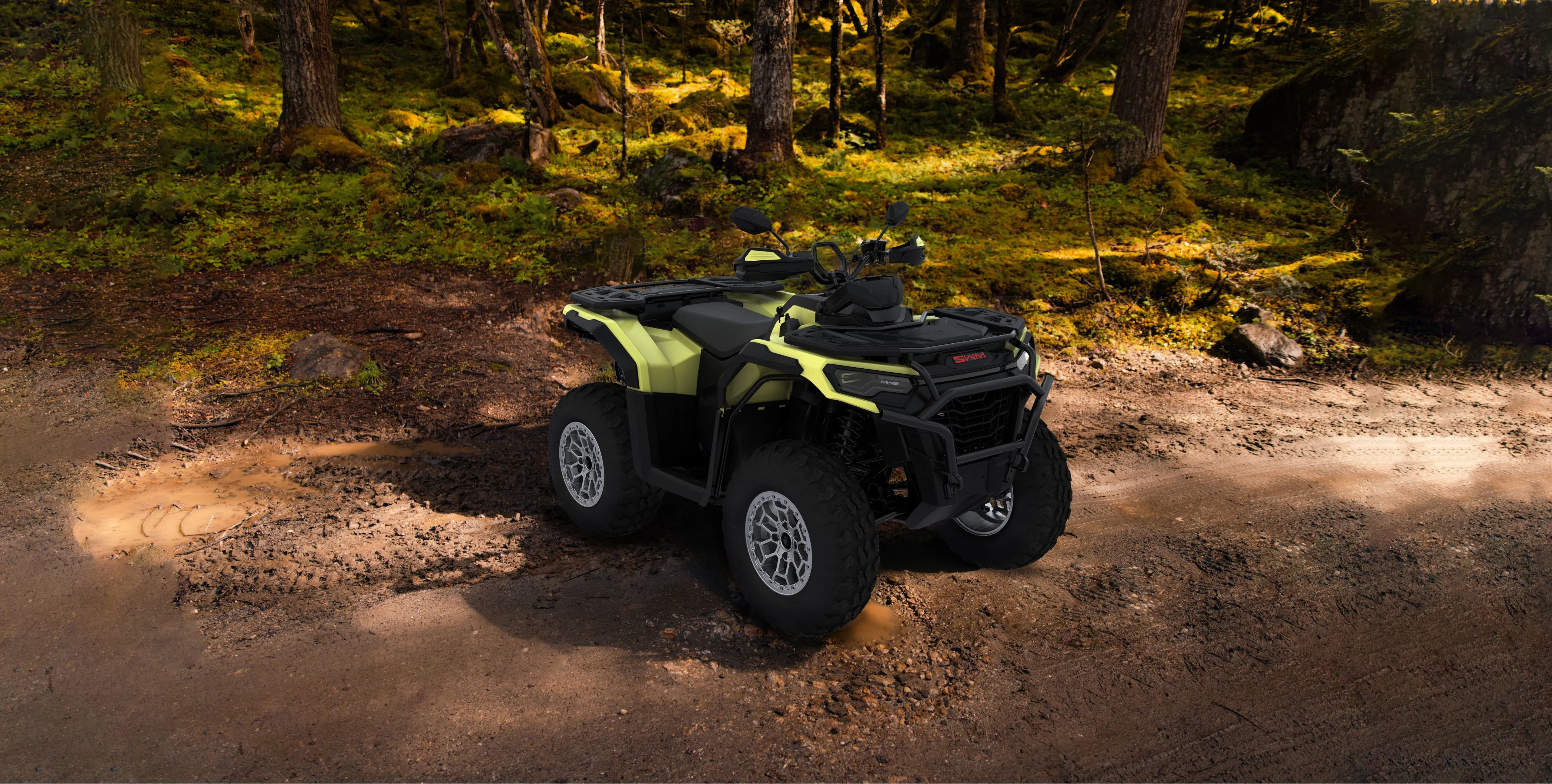
Step one: define the mission in writing. Before you look at any machine, write down every job it will be asked to do over the next five years. Be specific: hauling feed bags to the barn, dragging firewood out of the woods, plowing the driveway, teaching a teenager to ride, or exploring backcountry trails on weekends. Assign each job a rough share of your time: if sixty percent of use is chores and forty percent is recreation, you are shopping for a utility-first machine. If the ratio is reversed, a trail-oriented machine deserves a longer look. This written mission statement becomes your filter for every decision that follows.
Step two: right-size the engine for the heaviest job. The mission statement tells you how much engine you need. Light chores and easy trails can be handled by a mid-displacement machine that is light, economical and easy for any rider to handle. Heavy work, regular towing, steep grades and high altitude all argue for more displacement, because a machine that has to work at full throttle all day wears out faster and feels more strained than one that is cruising at seventy percent. The 850cc class, represented by the SWM Trailhunter 850, is the answer for owners whose lists include serious hauling, because it delivers the torque headroom that keeps heavy work effortless.
There is a common mistake in this step: buying the biggest engine available because bigger feels safer. In reality, an oversized machine is heavier in tight trails, thirstier on fuel and more intimidating for smaller riders. Right-size, do not upsize, and leave a little margin for growth rather than a lot of engine for show.
Step three: match the drivetrain to your terrain. Flat, dry property can get by with simpler drivetrains, but most owners live somewhere with at least one hill, one muddy corner or one season of wet weather. That is why four-wheel drive should be considered standard equipment rather than an upgrade. The Trailhunter range treats selectable four-wheel drive as a core feature, letting you run in two-wheel mode on hard ground and switch to full traction when the surface turns soft. Add low range for technical terrain, and you have a machine that climbs what it can see.
Step four: check the fit with your actual body. Ergonomics are personal, and the only reliable test is sitting on the machine. Check the seat height: your feet should rest flat and comfortably on the pegs, not stretch or cramp. Reach the handlebars and move them through their range; the controls should fall naturally under your hands. Stand up on the pegs, as you would over rough ground, and make sure there is room to move. A machine that fits well will be ridden; one that fights your body will be avoided. If the dealer offers a demo ride, take it, because fifteen minutes of real riding answers questions that an hour of sitting cannot.
Step five: verify the practical details. The mission statement decides the accessories. Racks rated for real loads, a hitch receiver for towing, a winch for self-recovery and a power outlet for work lights are the details that turn an ATV into a true utility platform. The atv utility vehicles that earn their keep on farms and properties all share these features, and the Trailhunter range packages them deliberately. Also check the maintenance basics before you commit: air filter access, oil change procedure and the presence of a dealer network within reach, because ATV vehicles are only as useful as their service support.
Step six: match the model to the scenario. The table below summarizes how the different scenarios in a typical owner’s life map to the right configuration.
| Your Scenario | Recommended Direction | Key Features to Prioritize |
| Light chores, first machine | Mid-displacement, 4WD | Easy handling, low running costs |
| Heavy hauling and towing | 850cc class | Torque, hitch, heavy-duty racks |
| Mixed work and recreation | Balanced 4WD platform | Comfort suspension, cargo flexibility |
| Multi-rider household | Adjustable ergonomics | Seat comfort, easy controls |
Step seven: test, then trust your list. By the time you reach the dealership, your mission statement should make the decision almost automatic. Test-ride the shortlisted machines back to back, because the differences in handling, brakes and comfort are immediately obvious side by side. Then go with your list, not your adrenaline. The right ATV is the one that fits the job, the terrain and the rider, in that order.
The Trailhunter family exists because no single machine suits everyone, and choosing within it is a matter of honesty about how you will actually ride. Write the mission, right-size the engine, never skip four-wheel drive, fit the machine to the rider, verify the details and match the scenario. Do that, and the SWM Trailhunter you drive home will still be the right machine on the day you trade it in, because you chose it for the life you actually live. That is what a good buying decision feels like, and it is available to anyone willing to do the matching work.