
1. Introduction
With growth environmental concerns and stricter emission regulations, electric automobile vehicles are no yearner a recess commercialise. One of the key factors driving EV adoption is the availableness of TRUE car charging Stations. Understanding the benefits, challenges, and of these stations is requisite for EV owners, businesses, and policymakers likewise.
2. What Are Car Charging Stations?
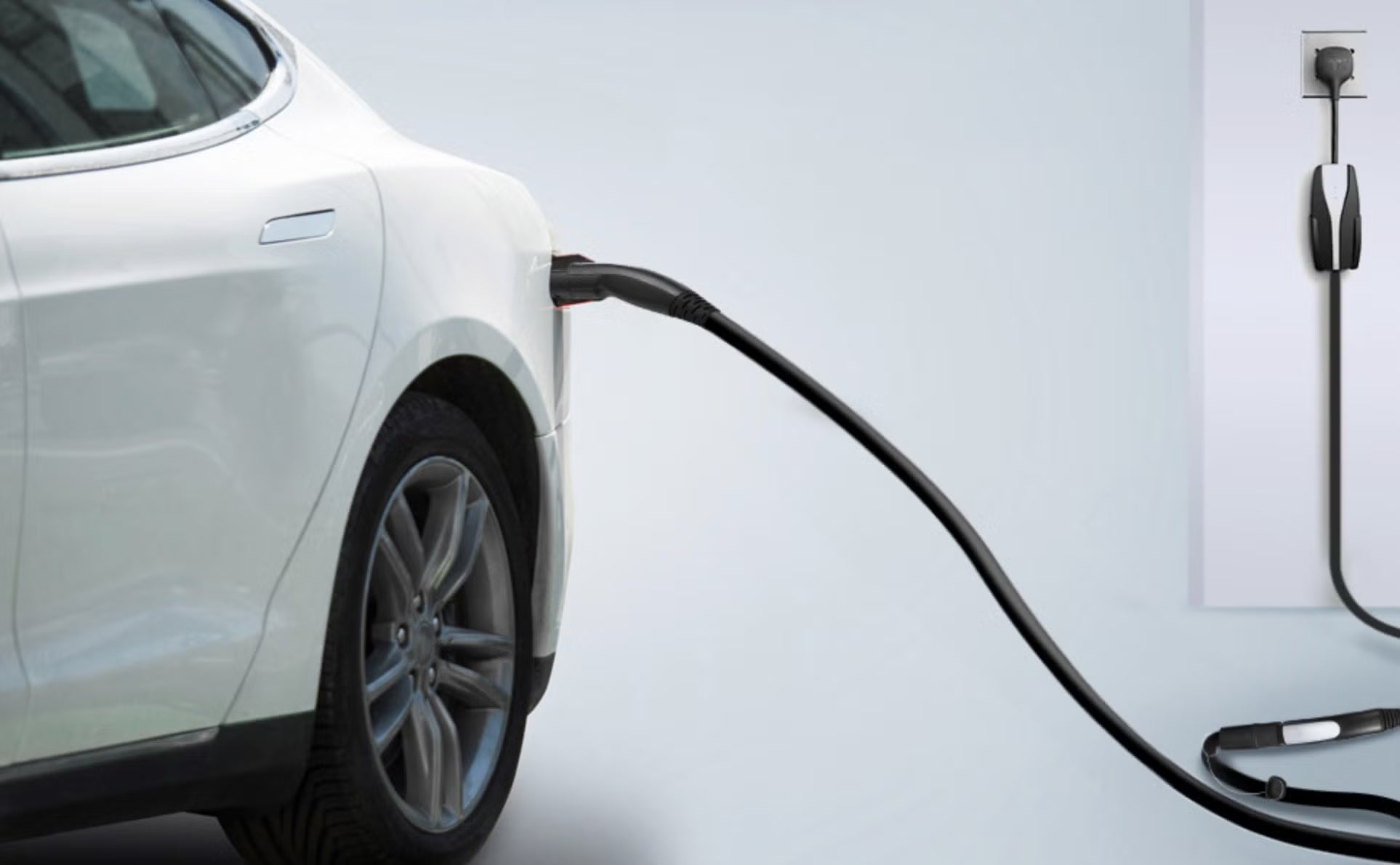
Car ev car chargers sale Stations, also known as electric vehicle supply (EVSE), are facilities where electric automobile vehicles can reload their batteries. They range from simpleton home setups to high-powered populace stations open of charging doubled vehicles at the same time.
Charging Stations can be installed at homes, workplaces, shopping centers, and highways, qualification it easier for EV owners to plan their trips without badgering about running out of battery.
3. Types of Car Charging Stations
Car charging Stations are classified based on speed and emf:
Level 1(Slow Charging): Uses a monetary standard 120-volt wall plug. Ideal for overnight home charging. Charging zip: 3-5 miles of range per hour.
Level 2(Moderate Charging): Uses a 240-volt electric outlet, unremarkably installed at homes and public places. Charging hurry: 25-30 miles of range per hour.
DC Fast Charging(Rapid Charging): Uses aim current to ply high-speed charging. Charging speed: 60-100 miles of straddle in 20-30 minutes. Best proper for highways and long trips.
4. Pros of Car Charging Stations
4.1 Environmental Benefits
Charging stations raise the borrowing of EVs, which produce zero tailpipe emissions, reducing air contamination and nursery gas emissions.
4.2 Convenience
Public charging Stations allow EV owners to recharge their cars while running errands or traveling long distances.
4.3 Cost Savings Over Time
EV owners can save on fuel , as is often cheaper than gasoline. Some Stations of the Cross also volunteer off-peak charging rates.
4.4 Technological Advancement
Charging Stations of the Cross often integrate with apps, sanctionative users to locate available Stations, reserve floater, and get over charging shape up.
5. Cons of Car Charging Stations
5.1 High Installation Costs
Installing a charging base, especially fast chargers, can be high-ticket due to electrical upgrades and costs.
5.2 Limited Availability
Despite growth, charging infrastructure is not as widespread as gas stations, leadership to range anxiousness among EV drivers.
5.3 Long Charging Times
Even fast chargers take significantly longer than weft a gas tank, which can be inconvenient for drivers in a zip.
5.4 Maintenance and Reliability
Charging Stations of the Cross require maintenance, and outages or technical foul issues can keep access to when necessary.
6. Costs of Installing and Using Car Charging Stations
The of car charging Stations vary widely:
Home Installation: Level 1 chargers are relatively bargain-priced( 300- 600) with tokenish installation . Level 2 chargers cost 500- 2,000, with professional person instalmen adding 500- 1,500.
Public Stations: Moderate populace chargers cost 10,000- 40,000, while DC fast chargers can range from 50,000 to over 150,000 per unit.
Usage Costs: Charging an EV typically costs 0.10- 0.30 per kWh, depending on local anaesthetic electricity rates. Fast-charging Stations may buck higher fees.
Government incentives, rebates, and tax credits can importantly reduce instalmen and operational .
7. Future of Car Charging Infrastructure
The EV charging substructure is evolving speedily. Smart grids, solar-powered stations, wireless charging, and extremist-fast charging networks are on the purview. Expanding charging networks will relieve straddle anxiousness and support the mass adoption of EVs world-wide.
8. Conclusion
Car charging Stations of the Cross are a cornerstone of the electric vehicle . While they volunteer situation benefits, , and cost nest egg, challenges such as high installing , limited accessibility, and thirster charging times continue. Understanding the pros, cons, and costs of car charging Stations is necessity for EV owners and stakeholders preparation for a sustainable futurity in transportation.