
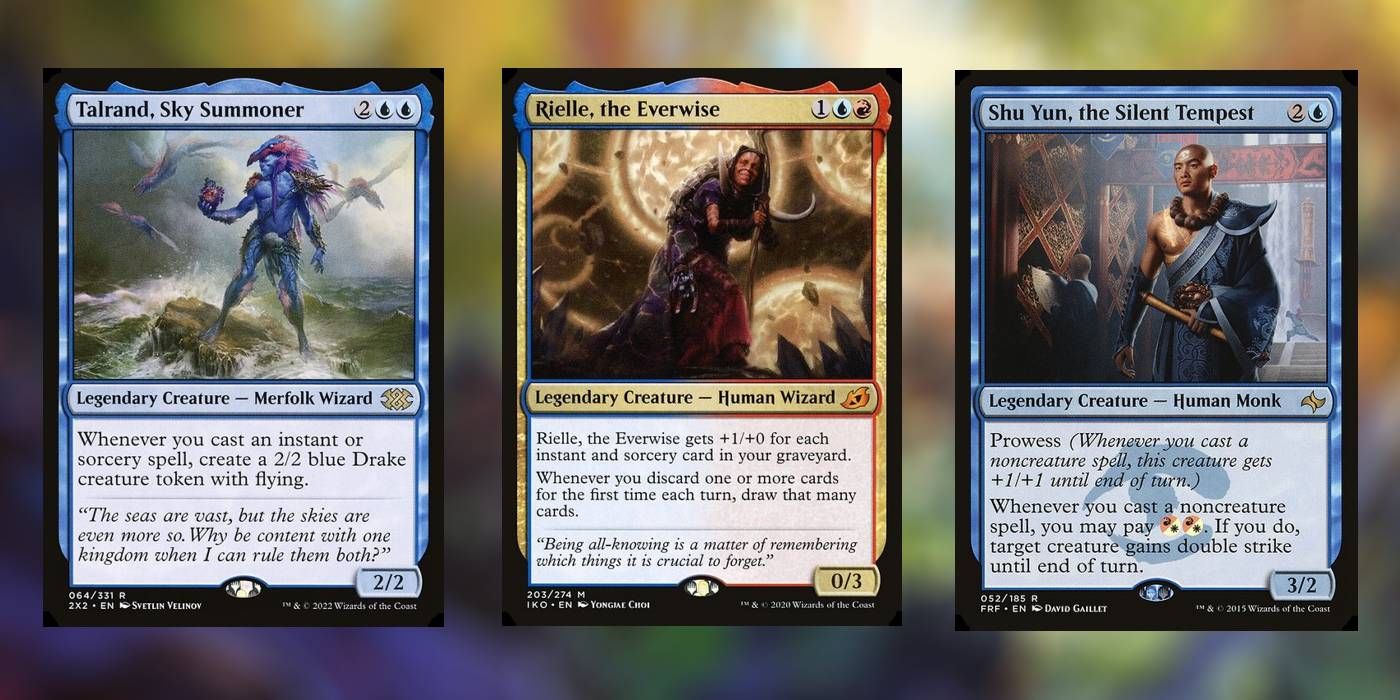
The world of Magic: The Gathering(MTG) is always evolving, with new sets, mechanism, and shifts in the meta constantly reshaping the competitive landscape. To stay out front in this ever-changing , it’s material to empathize how to conform and stay on elastic. Being roaring in meta mtg doesn’t just mean knowing the best card game, but also how to foreknow trends and make adjustments to your deck and strategy in response to those trends.
One of the first steps in staying ahead is to intimately watch the latest set releases. Each new expansion introduces new card game and mechanics that can dramatically transfer the power balance in the game. For example, the intro of planeswalkers, or the recent re-emphasis on card synergism and combos, can make old strategies noncurrent or make new opportunities for design. By holding up with the latest releases, you can identify which card game are gaining traction and consider how they might fit into your present deck or even revolutionise an entirely new scheme.
Another vital panorama of staying in the lead in the MTG meta is understanding the prevailing trends and deck archetypes that reign the aggressive view. It s probatory to follow the top-tier decks at Major tournaments, as well as the strategies that are trending in online communities and local anesthetic game stores. By analyzing the strengths and weaknesses of the most pop decks, you can make conversant decisions on how to adjust your deck to foresee them. For exemplify, if aggressive creature decks are seeing a revivification, it might be Charles Frederick Worth considering adding cards that offer effective wight remotion or room wipes to slow down their impulse.
Adapting to the meta also substance embracement tractability in your deckbuilding and gameplay. A deck that thrives in one meta can well become useless in another. It s evidential to on a regular basis test your deck in different environments to see how it fares against emerging strategies. You might find that a particular card or combo that once seemed invaluable is now less operational, or that a apparently recess card becomes necessity for dealing with an rising terror. Being willing to make changes and experiment is key to staying competitive in MTG.
In plus to understanding the shifts in deck archetypes, it s also essential to cross changes in the broader gameplay mechanics. Magic: The Gathering has gone through numerous rule changes and card updates over the eld, and staying wise to about these changes can give you a strategic edge. The intro of cards with new mechanics, such as the”adventure” mechanic from Throne of Eldraine or the”flashback” ability from experienced sets, can au fon neuter how decks interact with one another. Knowing how to leverage these mechanism or how to deal with them effectively can be the remainder between triumph and vote down.
Finally, building a fresh cognition base about the MTG and staying busy with it is an often-overlooked view of staying ahead in the game. Forums, social media groups, and video recording content creators are valuable sources of entropy and insight into the latest trends, innovations, and strategies. Engaging with other players can help you spot emerging tactics before they become wide adopted, gift you a aggressive edge. Plus, discussing your experiences and seeking feedback from other old players can cater recently perspectives on your gameplay and deck choices.
In the end, staying out front in the dynamic MTG meta is a of weather eye, adaptability, and uninterrupted encyclopaedism. The game will always evolve, but by staying wise, examination your strategies, and being open to innovation, you can continue at the cutting edge of the competitive scene. As with any game, the key to winner is not just about performin the best card game it s about acting the game in a way that anticipates where it s going and how you can be set up for whatever changes lie ahead.